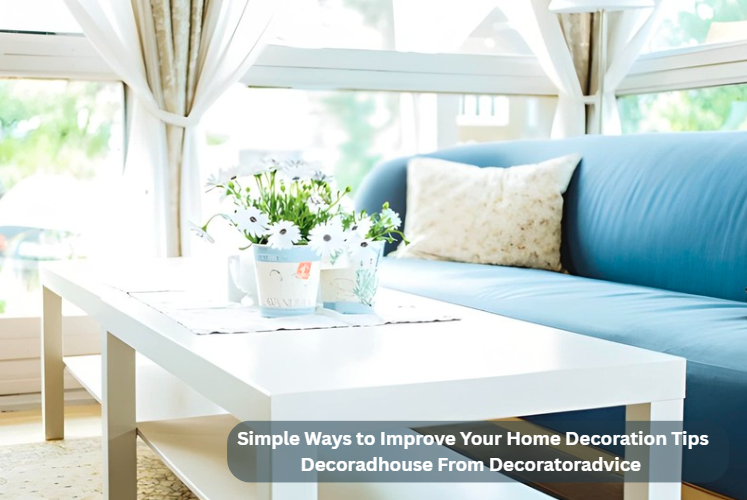
Transforming your living space doesn't have to involve extensive renovations or a hefty budget. Often, the most impactful changes come from thoughtful adjustments to your home's aesthetic elements: color, furniture, and lighting. These simple yet powerful modifications can completely redefine the mood and functionality of any room, making your home feel more welcoming, comfortable, and uniquely yours. Drawing inspiration from practical wisdom, we're diving into easy home upgrades that promise significant returns.
The journey to a beautifully decorated home isn't about following rigid rules; it's about understanding foundational principles and adapting them to your personal style and needs. These invaluable decoration tips decoradhouse from DecoratorAdvice emphasize that creating a serene, stylish, and functional environment is a shared aspiration, achievable through careful planning and accessible strategies. Whether you're sprucing up a single room or envisioning a broader refresh, these guidelines offer a clear path to transforming your vision into a stunning reality without the stress or complexity often associated with home improvement projects.
Mastering Your Home's Aesthetic: The Power of Color Palettes
Color is arguably the most influential element in interior design, dictating the mood and perceived size of a space. Starting with a well-chosen color palette lays the foundation for a cohesive and inviting home. Many experts advocate beginning with neutral tones for primary elements like walls and large furniture pieces. Soft grays, warm beiges, serene creams, and crisp whites provide an open, calm, and versatile backdrop that allows other elements to shine without overwhelming the space. Neutrals create a sense of spaciousness and tranquility, making them ideal for living areas and bedrooms.
Once your neutral base is established, the fun begins with introducing pops of color. This can be achieved through easily changeable accents such as throw pillows, rugs, blankets, or even a single accent wall. Consider selecting colors that resonate with you and reflect your personality. A powerful technique is to draw inspiration from a favorite piece of art, a cherished memory, or even a piece of patterned fabric. By picking out key colors from this source and repeating them subtly throughout the room—in a vase, a book spine, a decorative object, or framed photos—you create a sophisticated, curated feel that ties everything together organically.
For a home that feels connected and flows seamlessly, aim for consistency in your color scheme from room to room. This doesn't mean every wall needs to be the same shade, but rather that the tones and undertones should harmonize. For instance, if your living room features cool grays and blues, your adjacent dining area might incorporate warmer grays with touches of sage green or subtle terracotta, ensuring a natural transition. Even a simple throw blanket in a similar hue can serve as a visual bridge, making the entire house feel thoughtfully designed. Understanding and applying smart color choices is one of the simplest yet most effective decoration tips decoradhouse from DecoratorAdvice for homeowners looking to make a significant impact.
Tips for Perfecting Your Palette:
- Embrace the 60-30-10 Rule: Use your dominant neutral color for 60% of the room, a secondary color for 30% (e.g., furniture, curtains), and an accent color for 10% (e.g., accessories).
- Test Before You Commit: Paint large swatches on your walls and observe them at different times of day to see how the light affects the color.
- Don't Forget Texture: Even within a neutral palette, varying textures (a chunky knit throw, a sleek leather sofa, a natural wood table) add depth and interest without adding more color.
- Consider Color Psychology: Blues and greens evoke calm, while yellows and oranges can add energy and warmth.
Furnishing for Function, Comfort, and Style
When it comes to furniture, the golden rule is simple: functionality first, comfort second, and style third. Pieces should serve a purpose in your daily life, be inviting to use, and only then should their aesthetic appeal take precedence. This approach prevents impulse buys that might look good but fail to enhance your living experience. Multi-purpose furniture is a game-changer, especially in smaller homes or apartments. Think storage ottomans that double as extra seating, console tables that can serve as a temporary desk, or fold-out dining tables that disappear when not in use. These versatile pieces save space and help maintain a clutter-free environment.
Modular furniture also offers incredible flexibility. Sectional sofas that can be rearranged to suit different gatherings, or shelving units that can be expanded or reconfigured, adapt beautifully as your needs evolve. In rooms where floor space is limited, adopting a vertical mindset is crucial. Tall, slender bookshelves, wall-mounted cabinets, or floating shelves provide essential storage and display areas without encroaching on valuable floor real estate. Always measure your space meticulously before purchasing any furniture. A magnificent sofa that barely fits or a dining table that dominates a room can disrupt the entire flow and feel of your home, making it seem cramped and uncomfortable.
Even in larger rooms, flexibility and thoughtful placement matter. A sectional sofa that can be split into individual seats for different guests, or a rolling bar cart that easily transitions from a serving station to a stylish side table, enhances convenience and adaptability. Beyond practicality, comfort is paramount; attractive furniture holds little value if no one wants to sit on it. Invest in pieces that are well-made and inviting. To add a touch of personality, consider incorporating one unique accent chair or bench. This piece can serve as a conversation starter, injecting character into the room without overpowering the existing decor. For more insights on making smart furniture investments that won't break the bank, explore Transform Your Home Without Overspending: DecoratorAdvice.
Smart Furniture Strategies:
- Map Your Layout: Use painter's tape on the floor or a room planner app to visualize furniture placement and ensure good traffic flow.
- Consider Scale: Ensure furniture size is proportionate to the room. Oversized pieces can overwhelm, while undersized items can look lost.
- Invest in Quality: Choose durable materials and well-constructed pieces for high-traffic items like sofas and dining tables.
- Mix Materials: Combine different textures and materials (e.g., a wooden table with upholstered chairs, metal accents) to add visual interest.
Illuminating Your Space: Crafting Mood with Lighting
Lighting is a powerful, often underestimated, tool in home decor. It shapes the mood, highlights features, and impacts the functionality of every room. The best approach involves maximizing natural light and then strategically layering artificial light. During the day, keep windows clear of heavy drapes or clutter to allow sunlight to stream in. Sheer curtains or blinds can offer privacy without fully blocking precious natural illumination, making rooms feel airy and expansive.
For evenings and darker corners, layering artificial light sources is key. This typically involves three types of lighting:
- Ambient Lighting: This is your general, overhead light (e.g., ceiling fixtures, recessed lighting) that provides overall illumination for the room.
- Task Lighting: Focused light for specific activities, such as reading lamps by a sofa, under-cabinet lighting in the kitchen, or a desk lamp.
- Accent Lighting: Used to highlight specific features, such as artwork, architectural details, or plants. This can include picture lights, spotlights, or strategically placed lamps.
Lighting Enhancements:
- Color Temperature Matters: Warm white bulbs (2700K-3000K) create a cozy, inviting atmosphere, perfect for living rooms and bedrooms. Cool white bulbs (4000K-5000K) are better for task-oriented areas like kitchens and home offices, where clarity is needed.
- Strategic Placement: Avoid placing all light sources in the center of the room, which can create harsh shadows. Distribute light around the perimeter to brighten corners and create depth.
- Mirrors as Light Amplifiers: Position mirrors opposite windows or near light fixtures to bounce light around the room, making it appear brighter and larger.
- Smart Lighting Solutions: Consider smart bulbs or systems that allow you to control brightness and color temperature from your phone, adding modern convenience.
Beyond the Basics: Thoughtful Touches and Practical Solutions
Once you’ve addressed the major elements of color, furniture, and lighting, it’s the thoughtful details that truly transform a house into a home. These are the personal touches and practical solutions that enhance everyday living and reflect your unique story.
Decluttering and Storage:
Even the most beautifully decorated space can feel chaotic if it's cluttered. Before adding new decorative items, consider a thorough declutter. Then, integrate smart storage solutions. Go beyond obvious shelves; think about built-in units, decorative baskets for blankets or toys, storage benches, or even furniture with hidden compartments. Entryways benefit greatly from hooks, shoe racks, and small tables to catch keys and mail, preventing everyday items from scattering throughout the house. Implementing these smart decoration tips decoradhouse from DecoratorAdvice for organization can significantly improve the functionality and calm of your home.
Personalization and Display:
Your home should tell your story. Display items that bring you joy: family photos, travel souvenirs, collections, or art that speaks to you. Arrange these items thoughtfully in vignettes on shelves, coffee tables, or mantelpieces. The "rule of odd numbers" often works well for grouping items. Incorporating living elements like plants adds a touch of nature, purifies the air, and brings vibrant color and life into any room.
Textiles and Textures:
Soft furnishings are essential for adding warmth, comfort, and a layered look. Throws, cushions, and curtains introduce different textures, patterns, and colors that make a room feel inviting. Mix different materials—a velvet cushion with a linen throw, a wooden coffee table alongside a woven rug—to create visual and tactile interest. These elements make a room feel lived-in and comfortable.
Scent and Sound:
Don't underestimate the power of sensory details. A pleasant scent from candles, diffusers, or fresh flowers can significantly enhance a home's atmosphere. Similarly, consider the acoustics of a room; rugs and soft furnishings can absorb sound, making a space feel quieter and more peaceful.
Outdoor Areas:
Extend your living space outdoors. Even a small balcony or patio can become a welcoming retreat with comfortable seating, weather-resistant cushions, some potted plants, and appropriate outdoor lighting like string lights or solar lanterns. Creating an inviting outdoor zone effectively adds more functional space to your home.
Decorating your home doesn't have to be an intimidating endeavor. By focusing on these accessible upgrades in color, furniture, and lighting, you can achieve remarkable transformations without the need for major renovations. Remember, the goal is to create a space that feels personal, comfortable, and functional, reflecting who you are and how you live. Start small, experiment with what you love, and watch your home evolve into a sanctuary. These straightforward decoration tips decoradhouse from DecoratorAdvice provide a solid foundation for anyone looking to refresh their space with confidence and creativity.